
Label guide · 原材料
How to read Japanese food labels for halal: the kanji that matter
Last updated: July 10, 2026
Quick answer: On a Japanese ingredient list (原材料名), scan for five killers first — 豚 (pork), ゼラチン (gelatin), みりん (mirin), 酒/アルコール (sake/alcohol) and ラード (lard). Then treat ショートニング (shortening), 乳化剤 (emulsifier) and 香料 (flavoring) as "doubtful — verify source." The full reference table is below, and the Halal Japan app runs this exact check automatically when you scan a barcode.
Every packaged food in Japan lists its ingredients in one dense block labeled原材料名, in descending order by weight — almost always in Japanese only. For Muslims, that single block decides everything, because Japan has no mainstream halal labeling: the information is all there, just locked behind kanji and katakana. This guide unlocks it.
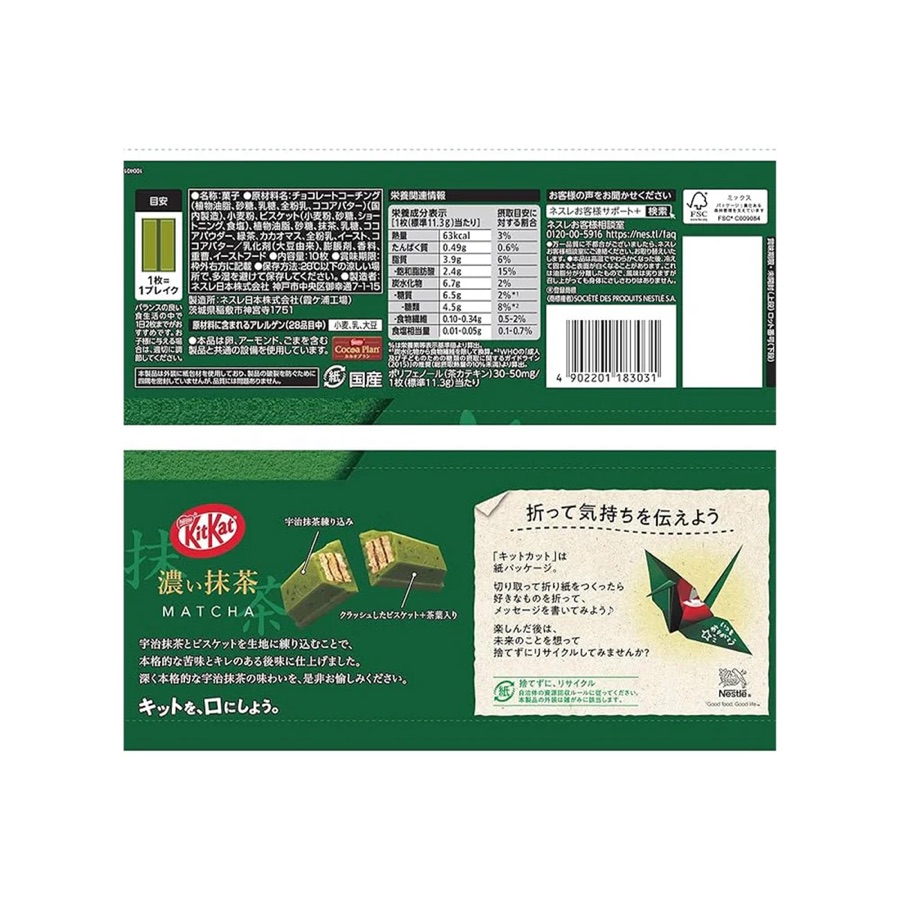
A typical Japanese ingredient block — this one includes 乳化剤 (emulsifier) and ショートニング (shortening), both "verify source" flags.
Haram: if you see these, put it back
| Japanese | Reading | Meaning |
|---|---|---|
| 豚肉 | butaniku | Pork meat |
| 豚脂 / ラード | tonshi / rādo | Pork fat / lard — common in fried foods, curry roux, ramen broth |
| ポークエキス | pōku ekisu | Pork extract — hides in soups, sauces, instant noodles |
| ベーコン / ハム / ソーセージ | bēkon / hamu / sōsēji | Bacon / ham / sausage |
| みりん | mirin | Sweet cooking rice wine (approx. 14% alcohol) — in onigiri fillings, sauces, glazes |
| 酒 / 清酒 / 料理酒 | sake / seishu / ryōrishu | Sake / cooking sake |
| ワイン / 洋酒 | wain / yōshu | Wine / Western liquor — in desserts and chocolates |
| アルコール / 酒精 | arukōru / shusei | Added alcohol (often as preservative) |
Doubtful: verify the source before eating
| Japanese | Reading | Why it's doubtful |
|---|---|---|
| ゼラチン | zerachin | Gelatin — usually pork-derived in Japan unless labeled fish (魚) or beef (牛) |
| ショートニング | shōtoningu | Shortening — plant or animal fat; source rarely stated. Very common in breads and cookies |
| 乳化剤 | nyūkazai | Emulsifier — plant- or animal-derived; 大豆由来 (soy-derived) means plant-based |
| マーガリン / ファットスプレッド | māgarin | Margarine / fat spread — usually vegetable, can include animal fat |
| 動物油脂 | dōbutsu yushi | Animal fat, species unspecified |
| 牛脂 | gyūshi | Beef tallow — beef must be halal-slaughtered, which labels don't confirm |
| チキンエキス / ビーフエキス | chikin / bīfu ekisu | Chicken/beef extract — slaughter method unknown |
| コンソメ / ブイヨン | konsome / buiyon | Consommé / bouillon — typically meat-based stock |
| 香料 | kōryō | Flavoring — sometimes carried in alcohol |
| 洋酒入り | yōshu-iri | "Contains liquor" — common on chocolates and cakes; this one is haram, watch for it near 香料 |
| 酵素 / 加水分解物 | kōso / kasui bunkai-butsu | Enzymes / hydrolyzed protein — source unstated |
Usually fine
| Japanese | Reading | Meaning |
|---|---|---|
| 植物油脂 | shokubutsu yushi | Vegetable oil |
| 大豆 | daizu | Soy |
| 小麦粉 | komugiko | Wheat flour |
| 乳製品 / バター / 全粉乳 | nyūseihin / batā | Dairy / butter / milk powder |
| 卵 | tamago | Egg |
| 米 / 米粉 | kome / komeko | Rice / rice flour |
| 海苔 / 昆布 / かつお | nori / konbu / katsuo | Seaweed / kelp / bonito — seafood is halal; check the seasoning around it |
| 調味料(アミノ酸等) | chōmiryō (aminosan-tō) | Seasoning (amino acids, e.g. MSG) — generally fermented from plants |
Three real-label walkthroughs
Matcha chocolate snack
Ingredients show 乳化剤 (emulsifier) and ショートニング (shortening), no meat, no alcohol → Doubtful. Verdict depends on whether the manufacturer confirms plant-derived sources.
Tuna mayo onigiri
Fish is fine — but the seasoning lists 発酵調味料 (fermented seasoning, an alcohol-mirin blend) → Not halal. This is the classic onigiri trap.
Salted potato chips
じゃがいも (potato), 植物油 (vegetable oil), 食塩 (salt) →Halal-safe by ingredients. Simple lists are your friend.
Why scanning beats memorizing
Even with this page bookmarked, reading a 40-ingredient label in a konbini aisle takes minutes you don't have — and derivatives hide inside compound words. The Halal Japan app does the whole pipeline in one scan: reads the Japanese label, translates it, checks every ingredient against halal criteria aligned withJAKIM MS1500 guidance, and gives you a verdict with the exact flagged ingredients. Pair it with ourkonbini guide for what to grab first.
Frequently asked questions
Which Japanese label words always mean haram?
Pork in any form: 豚肉 (pork meat), 豚脂 and ラード (lard), ポークエキス (pork extract), ベーコン (bacon), ハム (ham). Also added alcohol: 酒 (sake), みりん (mirin), ワイン (wine), 洋酒 (liquor), and 酒精 (alcohol) when added as an ingredient. If any of these appear, the product is not halal.
Is gelatin (ゼラチン) in Japanese products pork-derived?
Usually assume yes. Gelatin in Japan is predominantly pork-derived unless the label specifies fish (魚) or beef (牛) origin — and beef gelatin still needs halal slaughter to be acceptable. Gummies, marshmallows, puddings and some yogurts are the usual carriers.
Are emulsifiers (乳化剤) and shortening (ショートニング) halal in Japan?
They are doubtful (mushbooh) by default: both can be plant- or animal-derived, and Japanese labels rarely state the source. If a label shows 乳化剤(大豆由来) — soy-derived — it is plant-based. Otherwise the status depends on manufacturer information, which is what the Halal Japan app checks for you.
Does Japanese soy sauce contain alcohol?
Naturally brewed soy sauce contains a small amount of alcohol produced during fermentation, and many commercial soy sauces also have alcohol added as a preservative (labeled アルコール or 酒精). Scholars differ on naturally fermented traces; added alcohol is more widely avoided. Check whether alcohol appears in the ingredient list itself.
What does 香料 (flavoring) mean for halal status?
香料 means flavoring, and some flavorings are carried in alcohol solvents — this is why products like some Japanese chocolates and snacks are treated as doubtful even with no meat ingredients. When the flavoring source matters to you, treat 香料 as a check-further flag rather than an automatic fail.
Is pork always declared on Japanese labels?
Pork as an ingredient appears in the ingredient list, and 豚肉 is among the recommended allergen declarations — but pork derivatives can hide inside compound terms like ラード (lard), ゼラチン (gelatin), or ショートニング (shortening) without the word 豚 appearing at all. That is why scanning beats word-searching.
Is mirin halal?
No — standard mirin (本みりん) is a sweet rice wine with roughly 14% alcohol, so it is not halal. It appears in teriyaki and eel sauces, sweet egg (tamago), simmered dishes, and many glazes and dressings. On a label look for みりん. Alcohol-free "mirin-style" seasonings (みりん風調味料) exist and halal restaurants avoid true mirin, but always check the ingredient list.
Is Japanese curry halal?
Usually not by default. Japanese curry rice is delicious but the boxed curry roux (カレールー) that most curry is made from commonly contains animal fats (often including lard/pork) and sometimes alcohol or non-halal flavourings — and restaurant curry may use non-halal meat or broth. Check the roux ingredients (scan the box), choose halal-certified curry roux or restaurants, or make it from halal-certified ingredients at home.